Wondering whether it makes more sense to keep renting or finally buy in Williamsburg? You are not alone. In a neighborhood where median asking rents and sale prices both sit well above Brooklyn-wide levels, the decision is rarely simple. If you are weighing flexibility, monthly cost, and long-term plans, this guide will help you think through the tradeoffs with more clarity. Let’s dive in.
Why Williamsburg makes this decision tricky
Williamsburg remains one of Brooklyn’s premium markets. StreetEasy currently shows a median sale price around $1.5 million and a median base rent near $4,770, while its 2025 neighborhood summary put the median asking price at nearly $1.67 million and median asking rent at $4,750.
That means both paths come with a meaningful financial commitment. Renting is not a low-cost shortcut here, and buying is not just about reaching a purchase price. In Williamsburg, your choice often comes down to how much flexibility you want versus how much stability you value.
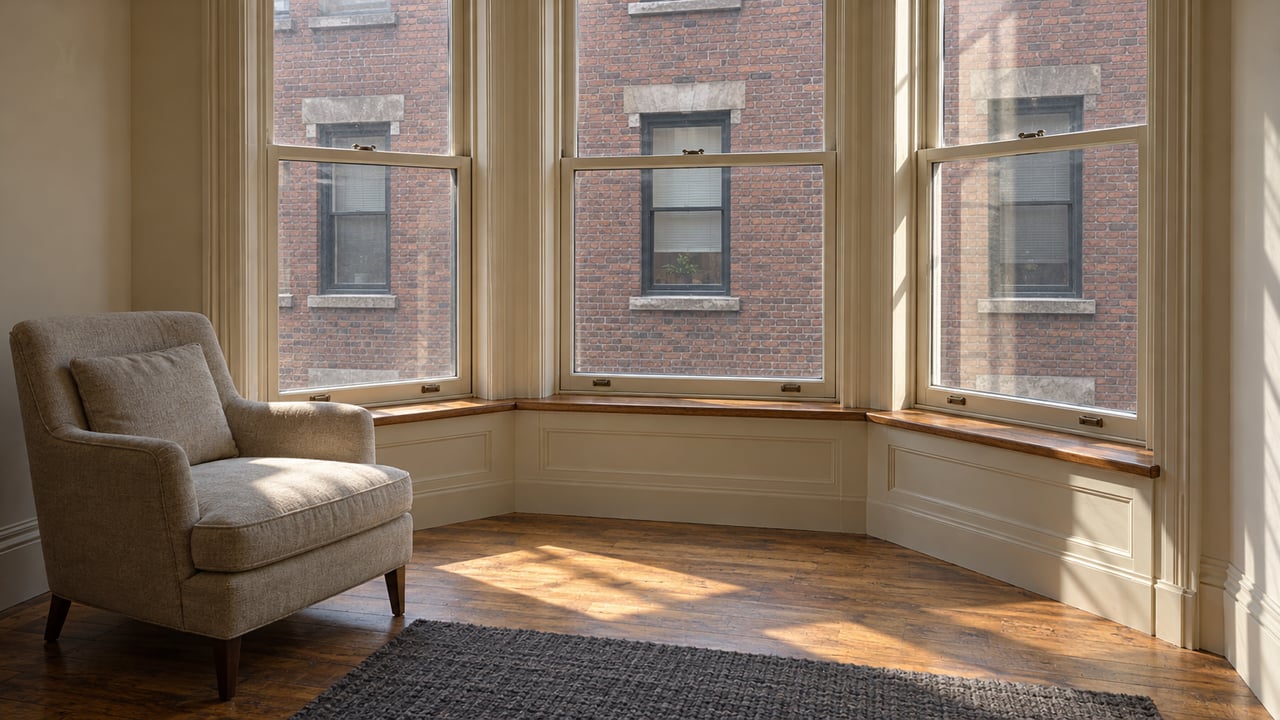
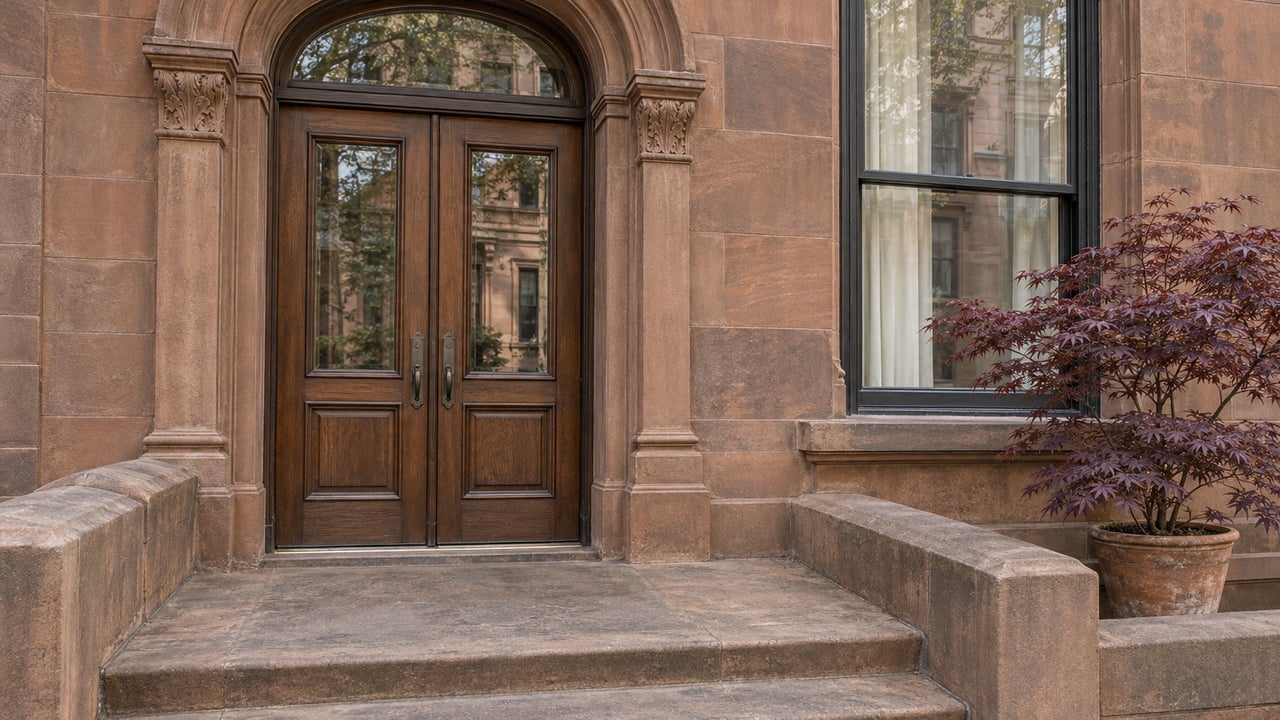
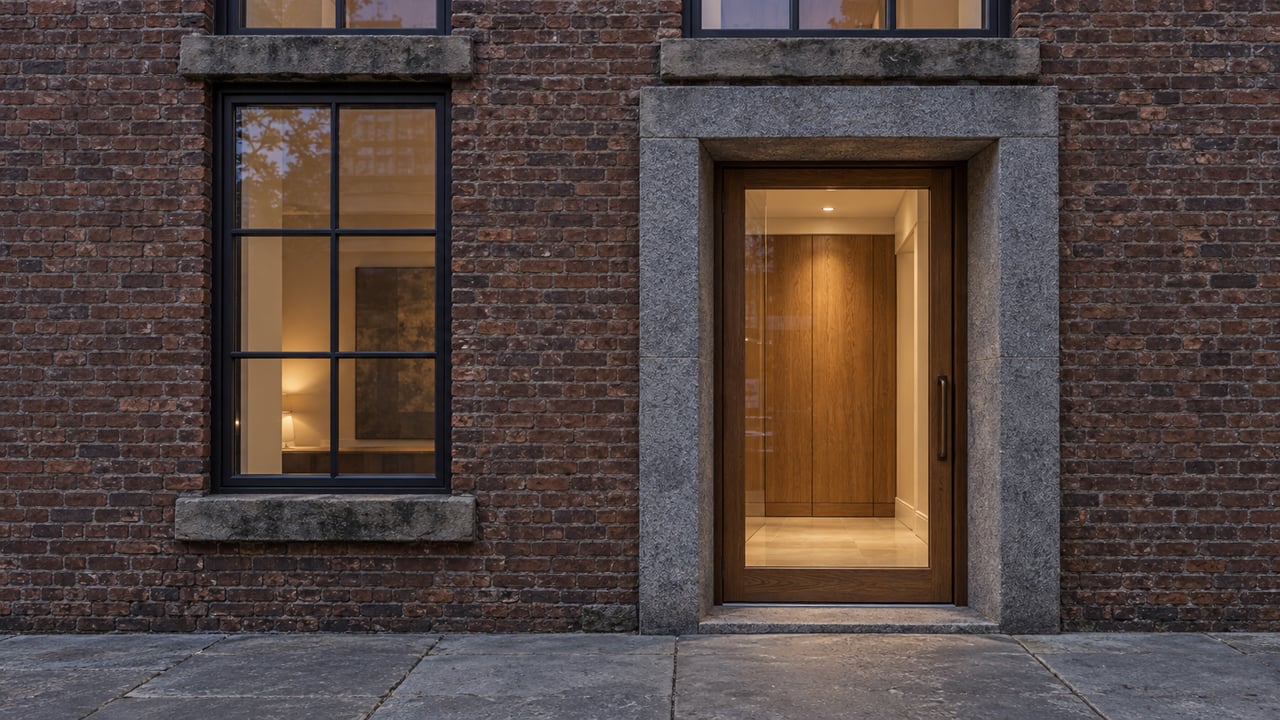
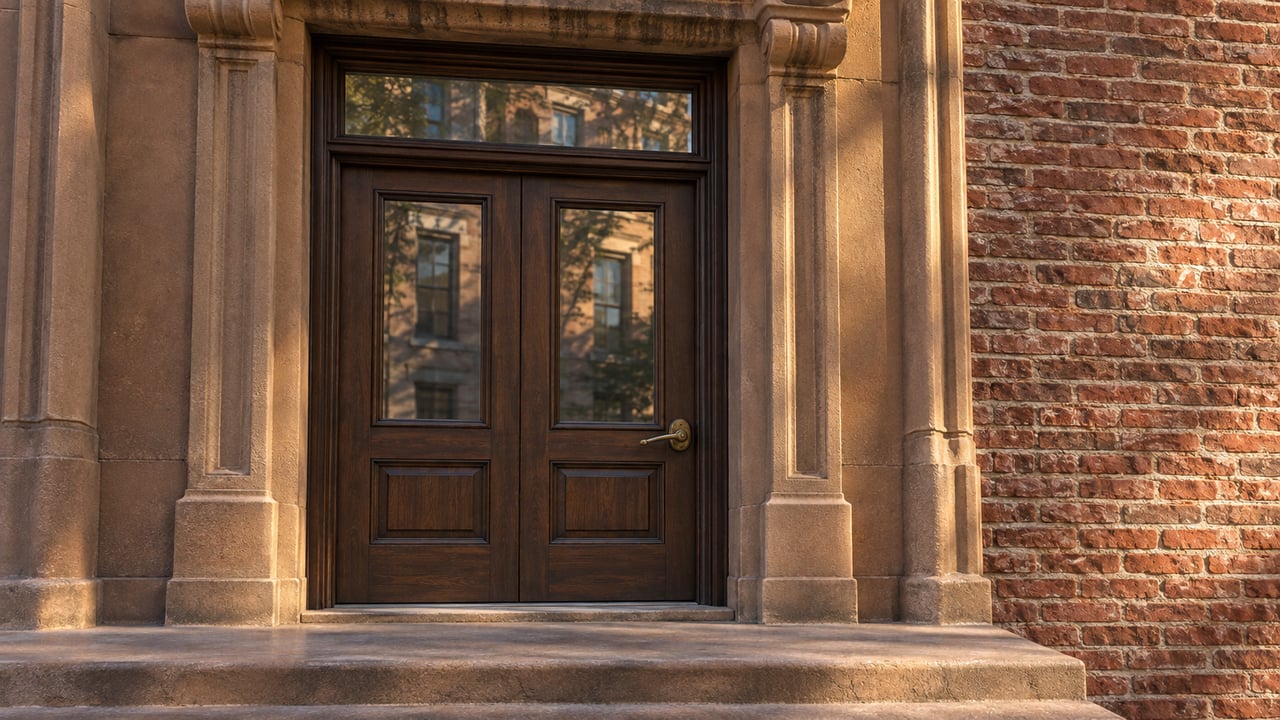
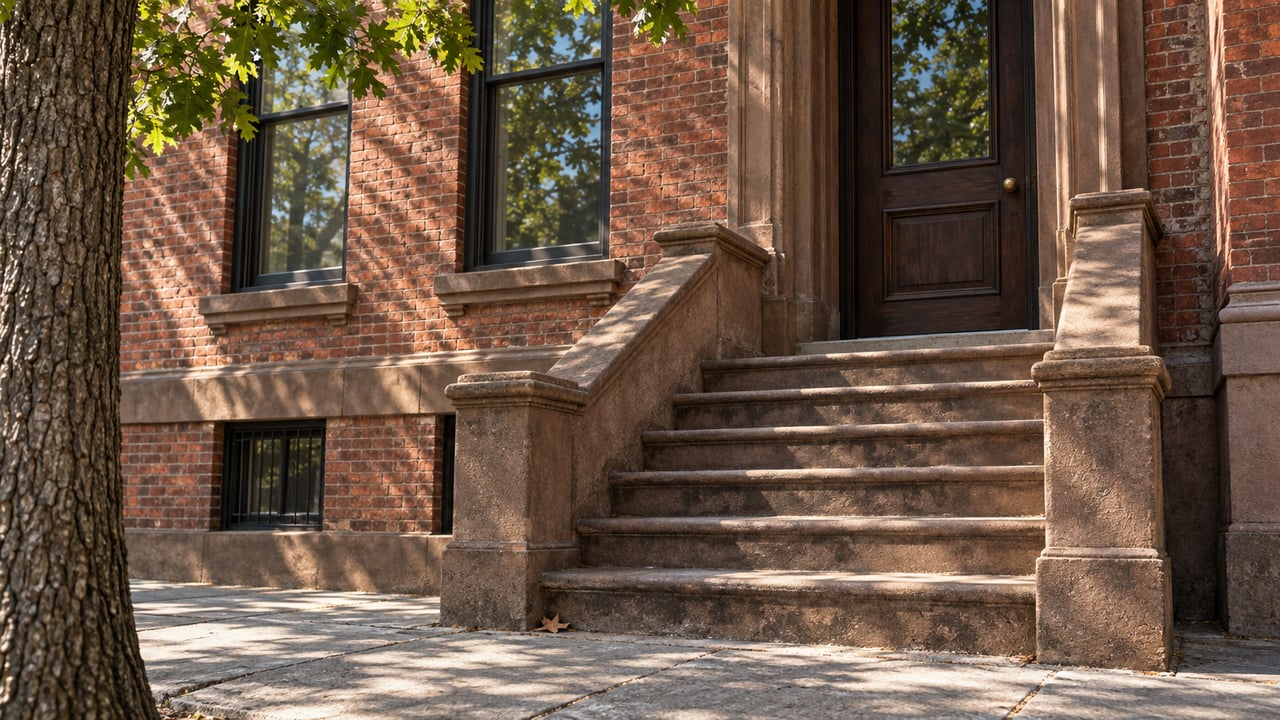
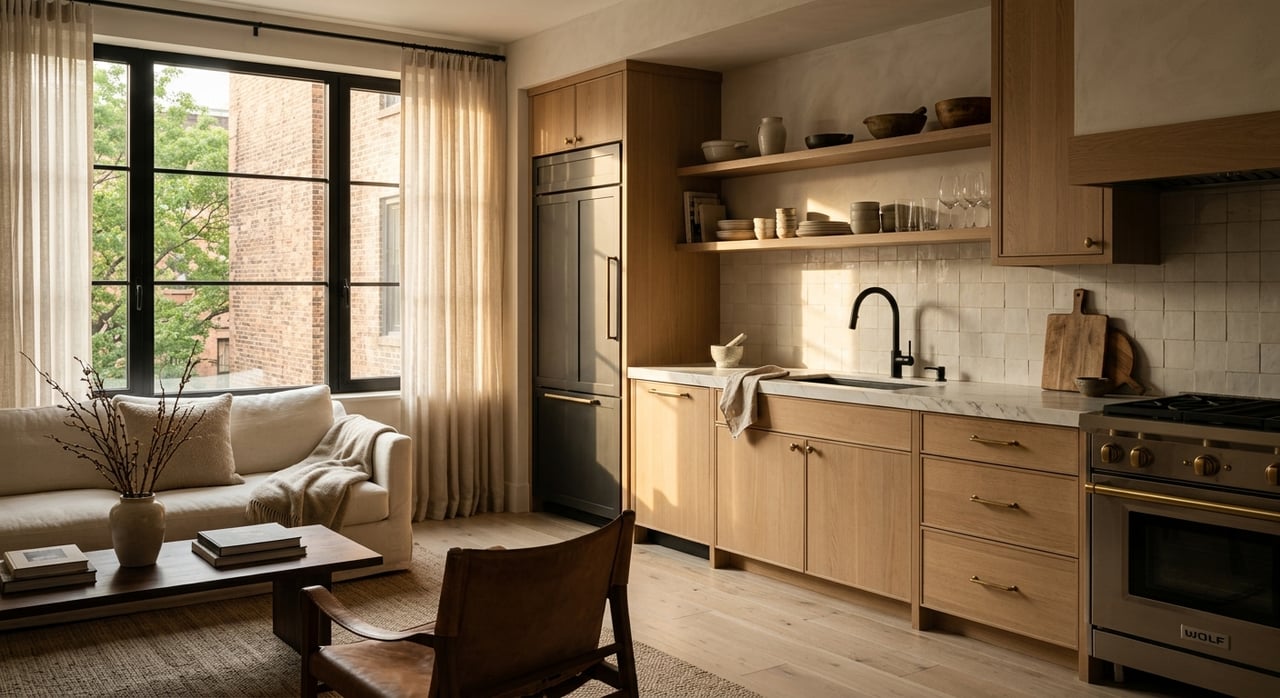
The neighborhood also offers a wide mix of housing. You will find new construction, brownstones, prewar homes, and historic buildings, along with access to the L, G, J, and M trains and the waterfront ferry. That variety can make the choice feel more personal, because you may be comparing a sleek amenity-rich rental to an older resale home with more character.
What renting looks like now
Renting in Williamsburg can still be the right move if you want to stay nimble. If you are testing the neighborhood, expect your job or lifestyle to change, or simply do not want to commit to ownership costs yet, renting gives you more room to adjust.
At the same time, it helps to go in with realistic expectations. StreetEasy’s current median base rent is about $4,770, while NYU Furman Center reports a 2024 median gross rent of $2,610 for the combined Greenpoint/Williamsburg area. Those figures measure different things, but together they point to the same reality: Williamsburg is expensive across both active listings and broader neighborhood data.
Another important shift for renters is the NYC FARE Act. As of June 11, 2025, landlord-hired brokers cannot charge broker fees to tenants, and landlords or their agents must disclose other tenant-paid fees in the listing and rental agreement. That can reduce some upfront friction, even though you may still need to budget for deposits, move-in costs, and other lawfully disclosed fees.
Renting gives you flexibility
The biggest advantage of renting is optionality. You can live in Williamsburg without taking on the closing costs, carrying costs, and longer time horizon that often come with ownership.
That can matter if you are:
- New to the neighborhood
- Unsure how long you will stay
- Expecting a job, family, or commute change
- Not ready to commit cash to a down payment and closing costs
For many renters, the value is not lower monthly cost. The value is the ability to pivot.
Rent-stabilized units can change the math
Not every rental follows the same pattern. Rent-stabilized apartments can offer more predictability than market-rate units, which may make renting feel more sustainable if you find the right fit.
NYC says rent stabilization is the most common form of rent regulation in the city. For leases starting or renewing between October 1, 2025 and September 30, 2026, the guidelines are 3% for one-year renewals and 4.5% for two-year renewals. HCR says these rules generally apply to many buildings with six or more units built between 1947 and 1973, certain older occupied units, and some newer buildings with specific tax benefits.
What buying looks like now
Buying in Williamsburg usually means looking at condos, loft conversions, co-ops where available, or townhouse-style homes rather than detached houses. In the combined Greenpoint/Williamsburg district, Furman reports median 2025 sales prices of about $1.44 million for condos, $2.4 million for one-family buildings, and $900,000 for two- to four-family buildings.
For many buyers, condos are the most relevant comparison to renting an apartment. Brownstones and townhouses tend to sit at a higher price point, while the monthly carrying cost picture can vary widely depending on the building and tax structure.
There may also be a bit more breathing room than there was a year ago. StreetEasy’s 2026 buyer ranking, based on December 2025 data, showed 208 homes for sale in Williamsburg, a 5.1% increase in inventory and a 15.6% year-over-year drop in median asking price to $1.7875 million. For you, that can mean more choices and potentially more negotiating room than in a tighter market.
Buying adds upfront costs
The biggest difference between renting and buying in Williamsburg is friction at the start. Ownership comes with costs that do not show up in the listing price alone.
Depending on the purchase, you may need to factor in:
- New York State real estate transfer tax of $2 per $500 of consideration
- A 1% mansion tax on residential purchases of $1 million or more
- NYC mortgage recording tax if you are financing in the five boroughs
- Building-related charges and other closing costs
Because Williamsburg pricing often crosses the $1 million mark, these costs can become a major part of the decision.
Carrying costs matter more than sticker price
A purchase price only tells part of the story. In Williamsburg, your monthly ownership cost may include mortgage payments, common charges or maintenance, and property-tax-related expenses built into your building structure.
NYC Finance notes that co-op owners do not receive a separate property tax bill directly because it goes to the co-op board and is allocated into maintenance. The city also offers a Cooperative and Condominium Property Tax Abatement for eligible developments, and New York’s STAR program is available to eligible owner-occupied primary residences. In other words, you want to compare total carrying cost, not just list price.
New development versus resale
In Williamsburg, buying is often a choice between newer development and older resale stock. That is not just a style question. It can also affect your monthly costs and your day-to-day experience in the home.
Newer buildings may come with different tax benefits tied to programs such as 421 or J-51 where applicable, while older resale homes may offer a different layout, building feel, and price profile. A polished new condo and a character-rich resale can both make sense, but they often solve different priorities.
How to decide which path fits you
For most people, this is not really a rent-versus-buy question in the abstract. It is a timing question, a flexibility question, and a certainty question.
If you expect to stay longer, want more control over your space, and are comfortable with the upfront costs of buying, ownership may be worth a deeper look. If you want to preserve mobility, keep your options open, or avoid the added friction of closing and carrying costs, renting may be the better fit right now.
Questions to ask yourself
Before you decide, it helps to answer a few practical questions:
- How long do you realistically expect to stay in Williamsburg?
- Do you want flexibility, or do you want more long-term stability?
- Are you comparing monthly rent to full ownership cost, not just mortgage alone?
- Would you prefer turnkey new construction or older housing stock with more character?
- Are you comfortable with transaction costs tied to a purchase over $1 million?
Those answers usually tell you more than broad rules ever will.
A local way to frame the tradeoff
Williamsburg is a renter-heavy area. NYU Furman Center reports homeownership at 16.6% in 2024 and a rental vacancy rate of 2.1% for the combined Greenpoint/Williamsburg district. That low vacancy helps explain why rents remain elevated, while the relatively small share of owners shows how common it is for people to stay on the rental side longer in this market.
There is also a real lifestyle layer to this decision. Williamsburg offers waterfront access, strong transit options, and a housing stock that spans polished new buildings and historic homes. For some people, renting is the best way to enjoy the neighborhood now. For others, buying is the right next step once they know they want to put down roots.
The smartest move is usually the one that fits your life, your time horizon, and your comfort with New York’s very specific cost structure. If you want help comparing the real monthly numbers or narrowing down which type of property makes the most sense, Jon Aguilar can help you think it through with a clear local perspective.
FAQs
Is renting in Williamsburg cheaper than buying?
- Not always. Williamsburg rents are already high, with StreetEasy showing a median base rent around $4,770, so the gap between renting and owning may be smaller than many people expect depending on the property and your financing.
What upfront costs should buyers expect in Williamsburg?
- Buyers may need to budget for New York State transfer tax, the 1% mansion tax on purchases of $1 million or more, NYC mortgage recording tax if financing, and building-related closing costs.
Does the NYC FARE Act affect Williamsburg rentals?
- Yes. As of June 11, 2025, landlord-hired brokers cannot charge broker fees to tenants, and other tenant-paid fees must be disclosed in the listing and rental agreement.
Are rent-stabilized apartments common in Williamsburg?
- Rent stabilization is common across New York City, and some Williamsburg apartments may qualify depending on the building’s size, age, occupancy history, and any applicable tax benefit programs.
What kinds of homes can buyers find in Williamsburg?
- Buyers in Williamsburg often compare condos, loft conversions, brownstones, townhouses, and other apartment-style ownership options rather than detached single-family homes.
Is Williamsburg more of a renter or owner neighborhood?
- It is more renter-heavy. NYU Furman Center reports a 16.6% homeownership rate in 2024 for the combined Greenpoint/Williamsburg district.