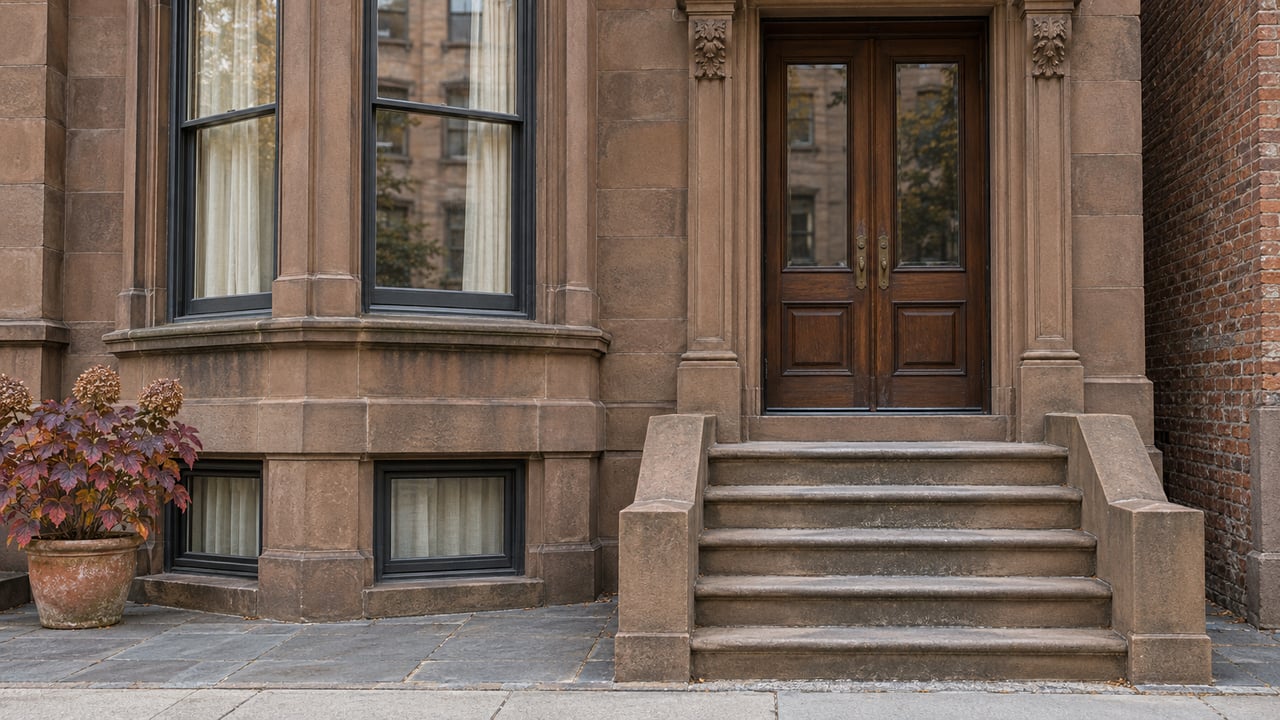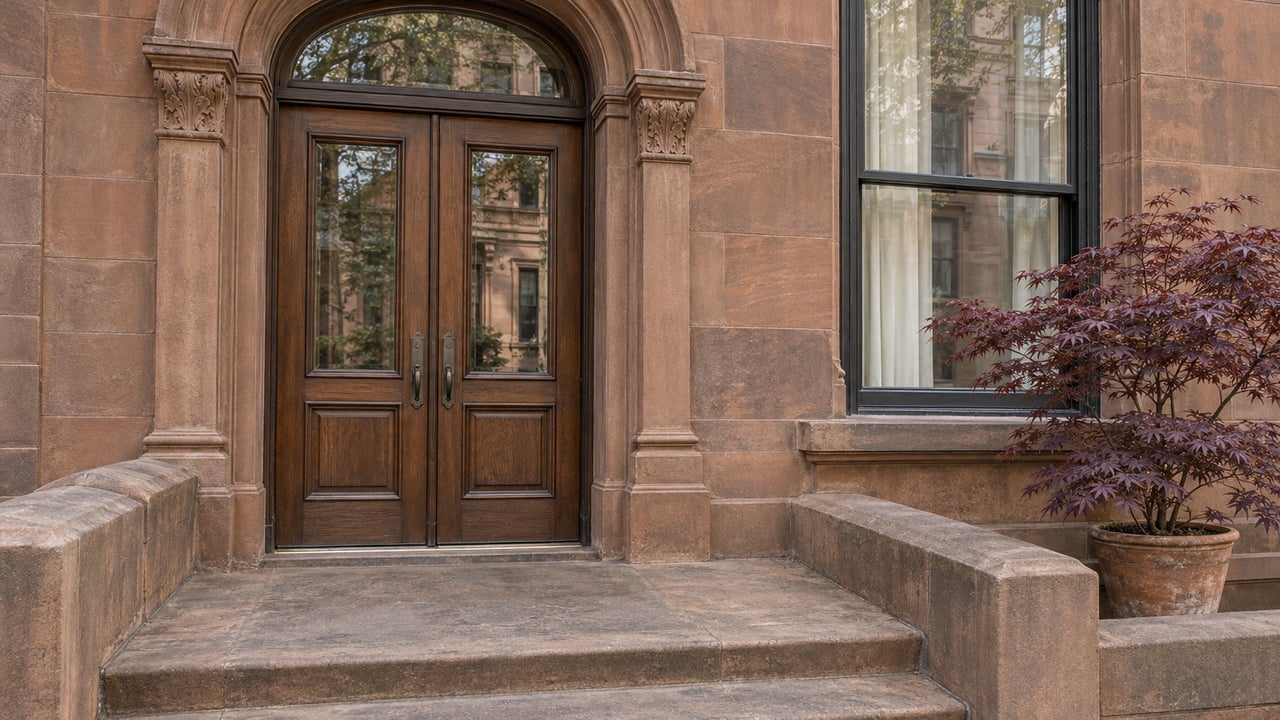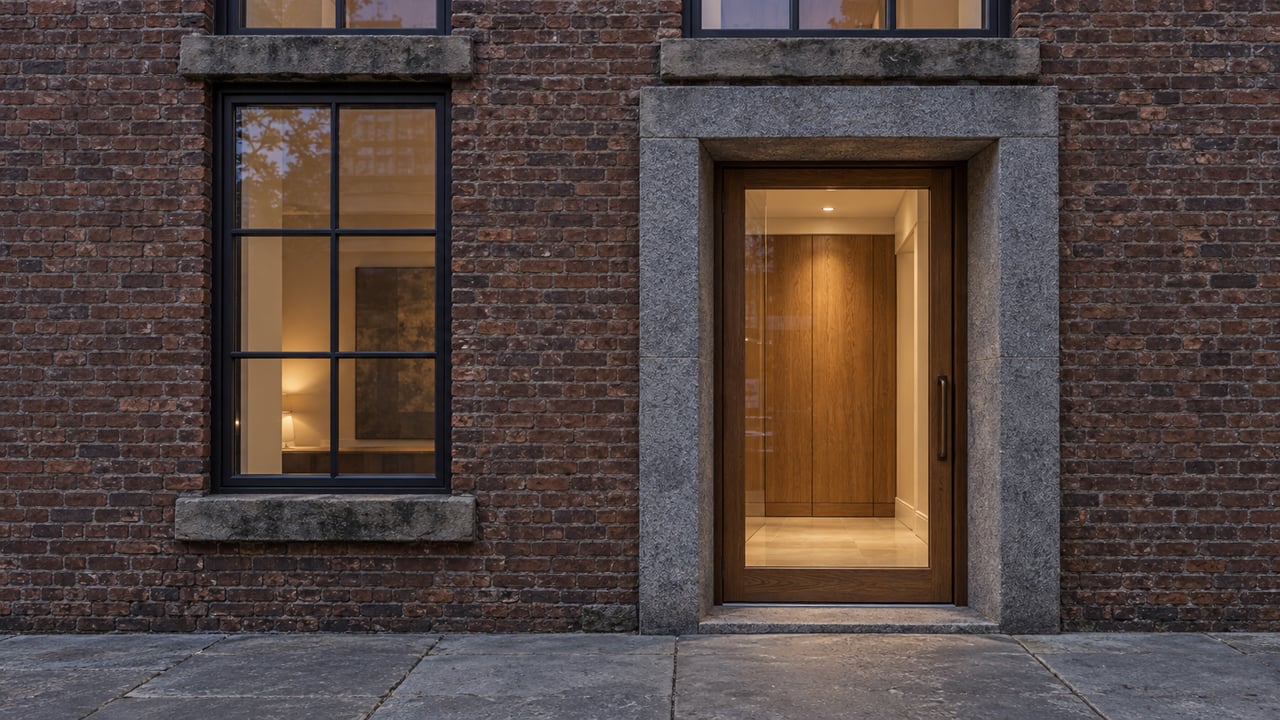
A buyer scrolling listings last month had two Dumbo units open in side-by-side tabs. One was a raw-brick loft inside a converted 1910 warehouse near the base of the Manhattan Bridge. The other was a glass-walled two-bedroom in a newer waterfront tower a few blocks away. Different centuries, different buildings, nearly identical monthly tax lines on the listing sheet.
That coincidence is the trap. The low number on either listing is not a fixed fact about the apartment. It is a temporary condition tied to a calendar, and in Dumbo the calendar runs on two different clocks depending on which decade the building was born in.
Two neighborhoods hiding inside one neighborhood
Dumbo's housing stock splits cleanly into two eras, and each era tends to carry a different kind of tax break.
The older stock is industrial conversion. Warehouses, factories, and manufacturing buildings from the late 1800s and early 1900s that were gutted and turned into loft residences, often with help from J-51, the city's long-running program for rehabilitating existing buildings. 51 Jay Street, built in 1910 for silverware manufacturer Ben Forman & Sons and later converted to residential by Slate Property Group and Adam America Real Estate, is the kind of building this program was built for. High ceilings, casement windows, and a tax certificate that was never meant to be permanent.
The newer stock is ground-up construction along the waterfront, much of it built under 421-a before that program stopped accepting new applications on June 15, 2022, as the NYC Mayor's Office reported. Those buildings got their abatements locked in before the door closed, and no comparable new-construction Dumbo tower will get a fresh 421-a term again. The supply of newly built, low-tax product in the neighborhood is a fixed and shrinking pool, not a renewable one.
Both kinds of buildings can show a listing agent a tax bill that looks almost like a rounding error. The mechanism behind that number, and how fast it changes, depends entirely on which program the building is running.
| 421-a (newer waterfront towers) | J-51 (older loft conversions) | |
|---|---|---|
| What triggers it | New ground-up residential construction | Rehabilitation or conversion of an existing building |
| Still issuing new benefits? | No, expired for new applications in June 2022 | Yes, revived through 2036 as of the 2026 state budget |
| Typical phase-out | Full exemption for a set number of years, then step increases until full taxation | Full exemption period followed by a shorter phase-out window |
| Who it usually shows up on in Dumbo | Waterfront condo towers completed before 2022 | Warehouse and factory conversions from decades past |
The math a buyer needs to run before writing an offer
The danger is not that abatements exist. It is that a phase-out schedule reads like a cliff if you only look at today's number.
A comparable case from Long Island City makes the pattern clear. A two-bedroom condo bought there in 2016 with a 421-a abatement carried roughly $2,400 a year in property tax. As that abatement phases out in 2026, the annual bill on that same unit could rise past $12,000. That is not a market swing. It is the scheduled end of a benefit that was written into the building's certificate the day it was approved, and it was always going to happen on this timeline regardless of what the broader market did.
Buyers routinely underwrite the wrong number because the current bill is the only number in front of them. Research from New York City's Independent Budget Office has found that each additional year of remaining 421-a benefit adds roughly four tenths of one percent to a unit's sale price, which means the market is already quietly pricing in how many years are left even when the buyer isn't asking the question directly.
The fix is simple to state and easy to skip under deadline pressure. Ask for the full phase-out schedule, not the current bill. Model your affordability at the post-abatement number. If that number doesn't work for your budget, the abatement was never really the deal, it was a temporary discount on a future problem.
The clock also runs the other way
Here is where Dumbo gets more interesting than a standard tax-abatement explainer. The clock does not only run down toward higher taxes. For older buildings, it can also reset toward lower ones.
According to NYC HPD, J-51 expired for completed work after June 29, 2022, and sat in limbo for years. That changed this summer, as Brick Underground reported. Governor Hochul's 2026 state budget revived the program with a 10-year extension through June 29, 2036, a far longer runway than the four-year patches the program had received in the past.
"We hit a three run triple," an attorney involved in the legislation told the outlet.
The new version comes with a capped, more predictable fee structure, a $75-per-unit application fee for buildings with more than six apartments, capped at $20,000 rather than the uncapped fees that used to make the program prohibitively expensive for larger co-op and condo boards. The abatement itself can now cover as much as 100 percent of a project's certified reasonable cost, up from a 70 percent cap under the old rules.
For a Dumbo loft building thirty or forty years past its last major rehab, this matters because of Local Law 97's emissions deadlines, which are pushing boards toward the exact kind of capital work J-51 was built to subsidize: facade repair, elevator replacement, energy efficiency upgrades. A building that currently pays full market-rate taxes could see its board file for a fresh abatement in the next few years to offset those costs. A buyer looking at an older Dumbo conversion today should ask not just what abatement the building has, but what abatement the board might be pursuing next.
What new construction will cost, and why that matters for resale
Dumbo's waterfront location puts it in a higher wage tier under 485-x, the program that replaced 421-a for rental construction, according to NYC HPD.
That detail matters less for anyone buying resale today and more for understanding why the current stock of low-tax new construction in Dumbo is not going to be replaced on the same terms it was built on. Future ground-up product in the neighborhood will carry higher construction costs baked in from day one, which shapes what any future abatement, if one applies at all, is actually offsetting. The existing 421-a inventory along the waterfront is a closing window, not a renewable one.
How to verify before you write the offer
- Ask the listing agent for the building's abatement certificate and the exact remaining term, not just the current monthly tax figure.
- Check the unit's exemption status directly through the Department of Finance's public property tax lookup tool, searchable by borough, block, and lot.
- Request the year-by-year phase-out schedule from the offering plan or from the board, and model your monthly cost at the post-abatement figure, not today's.
- For older loft conversions, ask whether the board has filed, or is considering filing, for the revived J-51 program to offset Local Law 97 compliance work. That filing could move a building's tax picture in the opposite direction from what a resale buyer might expect.
- Remember that, as the NYC Department of Finance explains, co-op and condo boards must maintain prevailing wage compliance for building staff to keep certain abatements active, another reason the number on the listing sheet is a snapshot, not a guarantee.
A few direct questions
Does every Dumbo condo carry a tax abatement? No. Plenty of units, especially older resales that never pursued J-51 or towers built after 421-a expired, pay full market-rate taxes with no phase-out at all.
Do co-op shareholders get the same benefit as condo owners? The mechanism differs. A co-op pays one consolidated tax bill at the building level, and any abatement flows through to shareholders via the monthly maintenance charge rather than a separate line on an individual tax bill.
Can an abatement disappear before its scheduled end date? Yes, which is one more reason to ask a board directly rather than relying solely on the listing sheet.
The tax line on a Dumbo listing tells you what the building pays this year. It does not tell you what the building will pay in year eleven, or what a board might file for next year to change that number in either direction. Reading that line correctly is the difference between a real number and a placeholder.
If you are comparing a loft conversion against a newer tower and want the actual phase-out math run for a specific address, Aguilar New York can walk through it with you. Call Jon.
This article is general information, not legal, tax or financial advice. Consult a qualified professional about your situation.