If you are searching in Carroll Gardens, one question shapes almost everything: should you focus on a townhouse, a condo, or a garden-level unit? In this part of Brooklyn, those options can feel similar on a listing sheet but live very differently in real life. Understanding how the neighborhood was built, how ownership works, and where legal or maintenance issues can show up will help you make a smarter move. Let’s dive in.
Why Carroll Gardens Feels Different
Carroll Gardens is not a typical high-rise Brooklyn market. City planning materials describe it as a predominantly residential neighborhood with 3- to 4-story row houses, plus some 4- and 5-story multi-family buildings and mixed-use corridors along Smith and Court Streets.
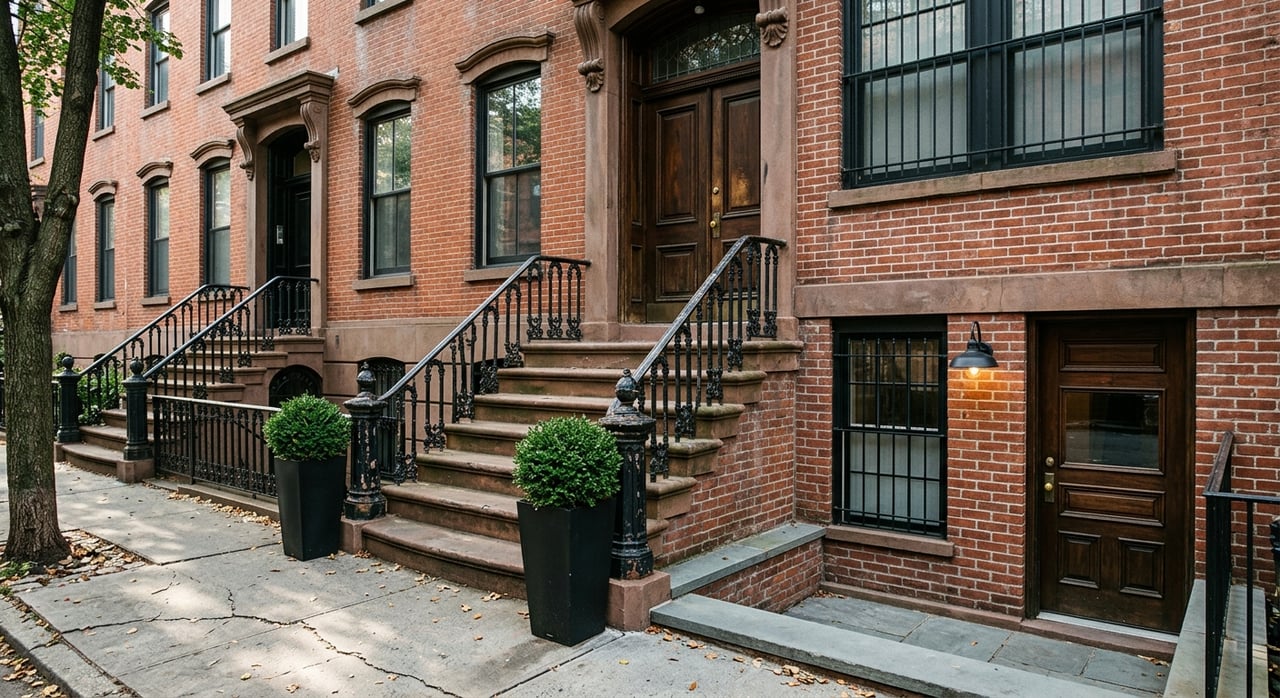
That low-rise feel is not accidental. Much of the neighborhood was built quickly from the late 1860s through the early 1880s, with attached brownstone row houses that still define the streetscape today. In the historic district, the front yards are unusually deep, at roughly 30 feet, which gives Carroll Gardens its distinct visual rhythm.
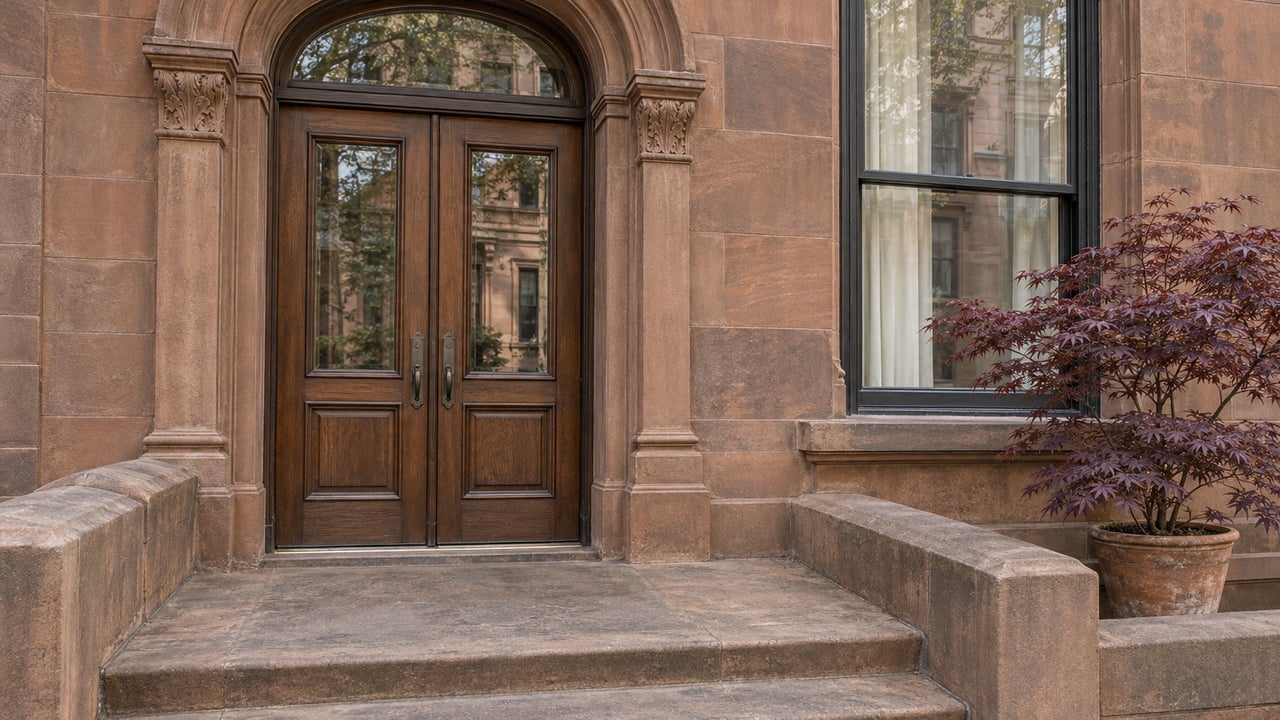
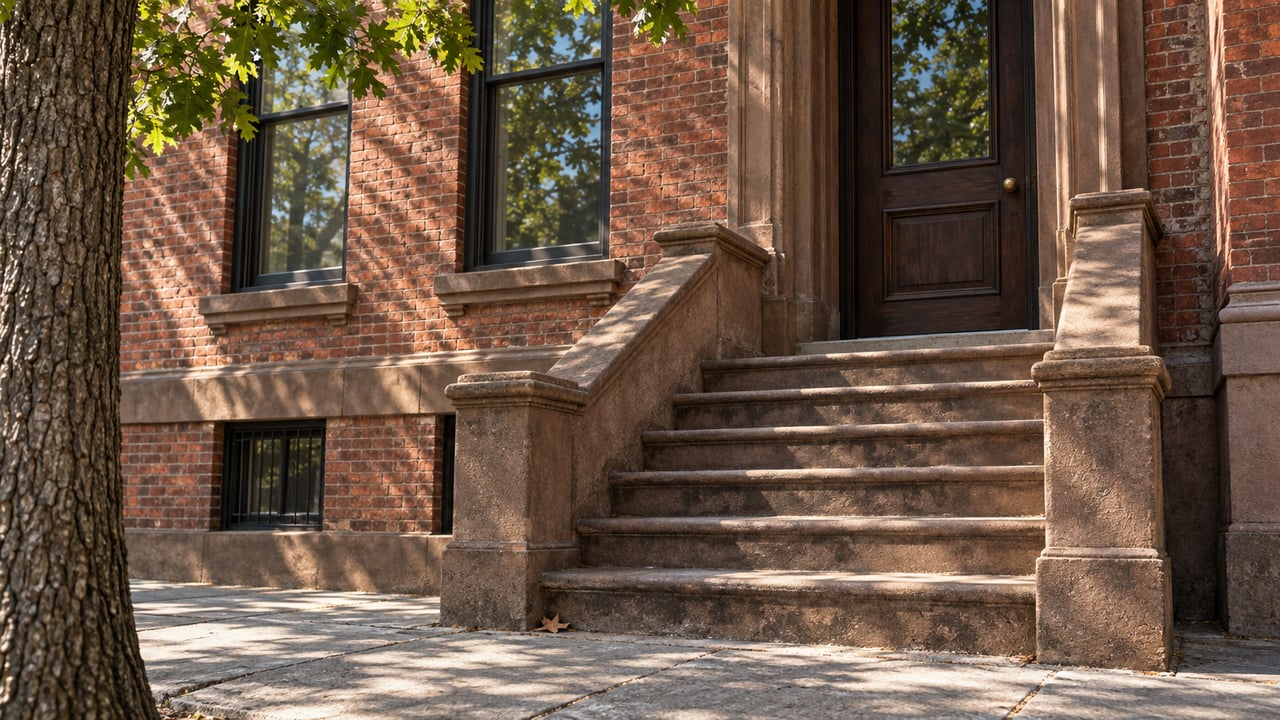
The Carroll Gardens Historic District was designated in 1973 and includes more than 160 buildings. You can still see many of the details noted in the district report, including high stoops, rusticated basements, bracketed cornices, iron railings, and tall parlor-floor windows. That architectural consistency is a big reason buyers are drawn here.
Townhouses in Carroll Gardens
What “townhouse” usually means here
In Carroll Gardens, a townhouse usually means a row house or brownstone rather than a detached home. These buildings are often two or three stories in the historic core, with a basement or cellar level, a raised parlor floor, upper bedrooms, and a front stoop.
That layout creates a very specific living experience. You are often buying vertical space, architectural detail, and a stronger sense of separation between entertaining areas and private rooms. For many buyers, that house-like feel is the main appeal.
What ownership really includes
With a townhouse, you are not just buying an apartment-sized box. You are taking on responsibility for the building as a whole, including systems, exterior elements, and ongoing upkeep.
In practical terms, that can mean planning for attention to:
- Roof work
- Masonry and facade care
- Windows
- Stoops
- Ironwork
- Boilers
- Yard conditions
NYC requires owners to maintain properties in compliance with the Construction Codes. In a neighborhood like Carroll Gardens, that matters because age, materials, and landmark status can all affect timing, cost, and process.
Landmark and renovation considerations
Many buyers love the idea of customizing a townhouse, but Carroll Gardens requires a careful approach. For landmarked properties, most exterior changes require review by the Landmarks Preservation Commission.
Ordinary repairs may not need approval if they match existing conditions, such as repainting the same color or replacing broken window glass. But most work affecting front or rear facades does need review. If you are comparing townhouses, it is smart to think not only about the home today, but also about what future work may involve.
Why additions can be tricky
Carroll Gardens is especially context-sensitive when it comes to enlargements. The zoning code treats several local streets, including parts of Second, Carroll, and President Streets between Smith and Hoyt, plus First through Fourth Places, as narrow streets for height and setback rules.
That helps explain why additions and expansions are not always straightforward. In this market, design potential often needs to be balanced with preservation rules and neighborhood scale.
Condos in Carroll Gardens
What the condo market looks like
Carroll Gardens condos are usually shaped by the same low-rise context as the rest of the neighborhood. Planning materials describe the area as predominantly row houses with some 4- and 5-story apartment buildings, and the rezoning framework was intended to preserve neighborhood character while allowing more context-sensitive new construction.
So when you shop for a condo here, you are often looking at smaller-scale product. That may mean a converted row house, a boutique walk-up, or a low-rise new building rather than a large tower with extensive amenities.
Where condos tend to appear
In general, condo-style housing tends to align with mixed-use and edge conditions in the neighborhood. Planning materials identify Smith Street, Court Street, and Columbia Street as retail and mixed-use corridors, and the Columbia Street edge includes converted former manufacturing buildings.
That helps explain why the condo inventory often feels more corridor-oriented, while the landmarked interior blocks remain more townhouse-driven. If your priority is elevator access, newer interiors, or a more apartment-style ownership structure, those locations may offer more of what you are looking for.
The key cost question for condo buyers
When buyers compare condos to townhouses, the real question is often not which category is better. It is which carrying structure fits your lifestyle and budget.
With a condo, some building-level responsibilities are shared rather than handled directly by one owner. NYC tax guidance also notes that co-op and condo buildings are valued like rental buildings for tax purposes, and city rules around the co-op and condo abatement refer to maintenance fees, property taxes, and other ownership costs.
That is why your review should go beyond the asking price. You want to understand the full monthly picture and what is bundled into it.
What to review carefully
Before moving forward on a condo, it is worth studying the building documents closely. The city advises prospective buyers to read the offering plan carefully and consult an attorney before signing.
That step matters in any neighborhood, but especially in a small-scale market where each building may operate a little differently. A polished apartment and a strong location are important, but the ownership structure matters too.
Garden Units in Carroll Gardens
What a garden-level unit is
A garden-level apartment is usually a lower-floor unit with a visual or physical connection to a front or rear yard. In Carroll Gardens, that label has special appeal because the neighborhood is known for deep front gardens and low-rise row house living.
These homes can feel intimate, quiet, and more house-like than an upper-floor apartment. For some buyers, that indoor-outdoor relationship is exactly the draw.
Why due diligence matters more here
Garden units can be appealing, but they deserve extra scrutiny. In this kind of housing stock, buyers should pay close attention to light, ventilation, moisture, and egress.
That does not mean every garden-level unit is a problem. It means lower-level spaces need a more careful review because conditions can vary a lot from one building to another.
Basement versus cellar matters
This is one of the most important distinctions in Carroll Gardens. NYC Housing Preservation and Development makes clear that basements and cellars are different spaces with different legal uses.
The agency warns that illegal basement and cellar apartments can create risks related to carbon monoxide, inadequate light and ventilation, and poor fire egress. It also states that cellars in one- and two-family homes can never lawfully be rented, while basements may be rented only if they meet minimum legal requirements and have Department of Buildings approval.
Always check legality
If you are considering a lower-level unit, do not rely on marketing language alone. HPD says owners and renters should check the Certificate of Occupancy.
That is especially relevant in Carroll Gardens because current ADU rules do not open the door to backyard ADUs in historic districts, and the city’s subgrade ADU pilot does not appear to apply to Brooklyn Community Board 6. Since Carroll Gardens is in CB6, buyers should be especially cautious about assumptions that a lower-level or yard-related setup can simply be legalized later.
How to Compare Your Options
Choose based on ownership style
A townhouse often works best if you want control over the entire building and are comfortable with direct responsibility for maintenance and exterior care. A condo may fit better if you prefer a more shared ownership structure and a simpler day-to-day maintenance profile.
A garden unit can be compelling if you want lower-level access and outdoor connection, but it usually calls for the most careful legal and physical review. In Carroll Gardens, the right choice often comes down to how much responsibility, flexibility, and due diligence you are ready to take on.
Match the property to the block
In this neighborhood, product type and location are closely connected. The quiet, landmarked interior blocks often lean townhouse, while mixed-use corridors may offer more boutique condo inventory.
That is one reason broad labels can be misleading here. A condo on a retail corridor, a row house in the historic core, and a garden unit in a brownstone can all deliver very different living experiences.
Think beyond the listing photos
Carroll Gardens is a design-rich neighborhood, and it is easy to fall for a beautiful facade or a charming stoop. But smart buying here means understanding not just aesthetics, but process, legality, and long-term carrying costs.
When you look at homes through that lens, you can compare options more clearly and avoid surprises later. In a preservation-heavy market like this one, details matter.
If you want help weighing a Carroll Gardens townhouse, condo, or garden unit with a sharper eye on layout, ownership structure, and long-term value, Jon Aguilar can help you navigate the options with local insight and clear strategy.
FAQs
What is a townhouse in Carroll Gardens?
- In Carroll Gardens, a townhouse usually means a low-rise row house or brownstone with a stoop, a raised parlor floor, upper bedrooms, and often a basement or cellar level.
Are Carroll Gardens condos usually in large buildings?
- Usually no. In Carroll Gardens, condos are often found in converted row houses, boutique walk-ups, or low-rise new construction shaped by the neighborhood’s low-scale context.
What is a garden-level unit in Carroll Gardens?
- A garden-level unit is generally a lower-floor apartment with a visual or physical connection to a front or rear yard, often in a row house or brownstone setting.
Can you freely renovate a Carroll Gardens townhouse exterior?
- Usually no. In historic district settings, most exterior changes require Landmarks Preservation Commission review, though some ordinary repairs may not.
Are all lower-level apartments in Carroll Gardens legal?
- No. NYC distinguishes between basements and cellars, and not every lower-level apartment is lawful for occupancy or rental use.
What should you check before buying a garden unit in Carroll Gardens?
- You should closely review light, ventilation, moisture, egress, and the Certificate of Occupancy to confirm the unit’s legal and physical condition.
What costs matter most when comparing a condo and a townhouse in Carroll Gardens?
- The key issue is the full carrying structure, including property taxes, fees, and how much building-level maintenance responsibility is shared or handled directly by you.