Wondering whether Fort Greene is worth the premium? If you are trying to balance neighborhood character, commute options, daily convenience, and long-term value, this part of Brooklyn probably keeps coming up for good reason. Fort Greene offers a distinct mix of historic architecture, strong transit access, cultural institutions, and park-centered living, but it is not the right fit for every budget or home search. Let’s break down what living here actually feels like and who tends to love it most.
Fort Greene at a Glance
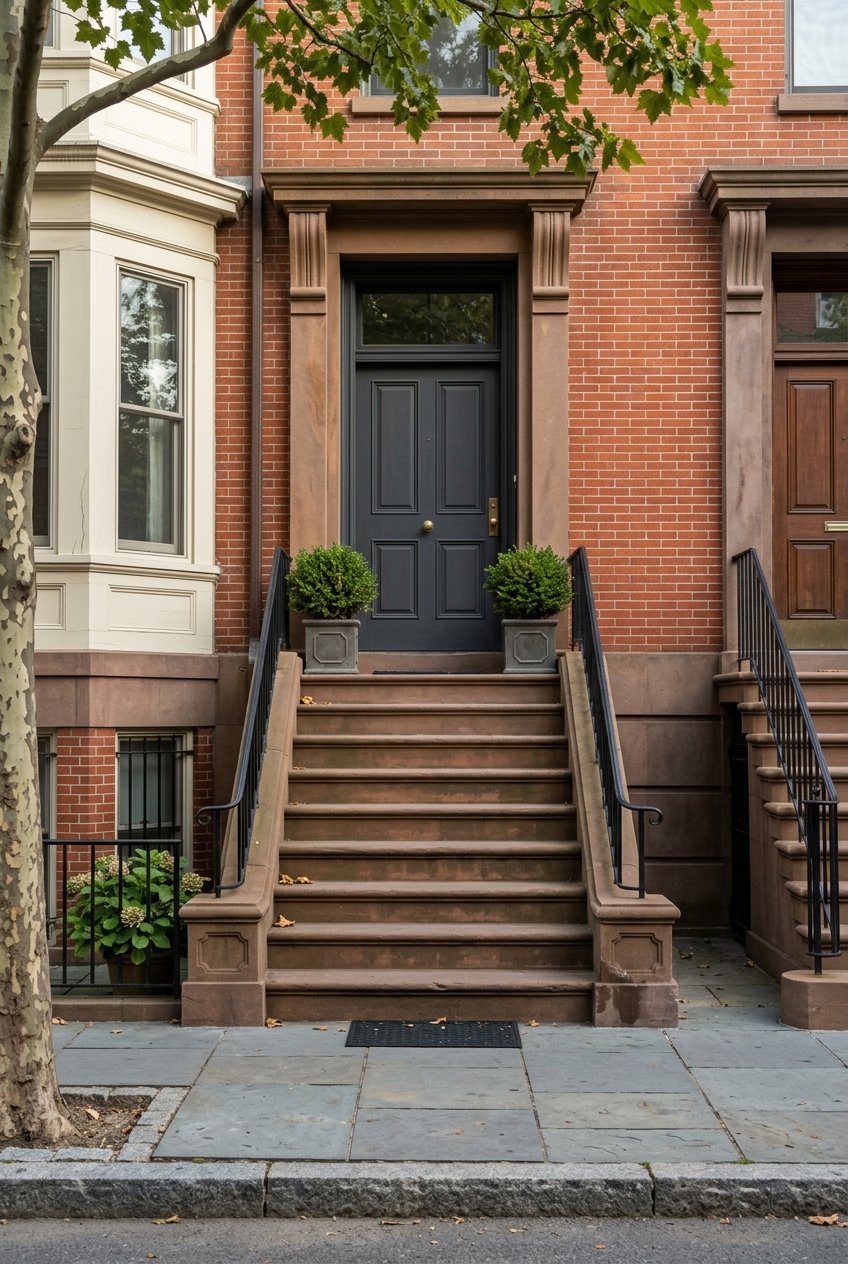
Fort Greene sits just east of Downtown Brooklyn and has a more residential, historic feel than many nearby areas. NYC Planning describes the neighborhood as largely made up of three- to five-story brownstone row houses, along with one- and two-family homes, multi-family apartment buildings, and mid-rise apartment buildings.
That built environment shapes the way the neighborhood feels day to day. Instead of a high-rise-heavy streetscape, you get a lower-scale setting with a strong sense of architectural continuity. Much of the residential core also falls within the Fort Greene and Clinton Hill historic districts.
What Makes Fort Greene Distinct
Fort Greene stands out because it combines classic Brooklyn housing stock with a central location. Main commercial corridors include Myrtle Avenue, Fulton Street, Atlantic Avenue, and DeKalb Avenue, which help create a walkable pattern of shops, services, and neighborhood activity.
If you are comparing Fort Greene with Downtown Brooklyn, the contrast is useful. Downtown Brooklyn has seen major development and a more condo- and luxury-rental-heavy profile, while Fort Greene reads as more preservation-oriented and residential in character.
A Neighborhood With Brownstone Appeal
A big part of Fort Greene’s draw is its housing character. Brownstones and older buildings define much of the neighborhood, and that tends to attract buyers and renters who care as much about atmosphere and design as they do about floor plans.
That charm also affects inventory. StreetEasy notes that Fort Greene has relatively few large apartment buildings, and many rentals are walk-ups. If you want a neighborhood with classic row-house streets and older housing details, that may feel like a plus. If you prefer a newer building with more amenities, it may feel limiting.
Fort Greene Home Prices and Rents
Fort Greene is expensive by Brooklyn standards. StreetEasy reports a median sale price of $1.7 million and a median base rent of $4,500, both above Brooklyn’s broader March 2026 median asking price of $1,027,000 and median asking rent of $3,750.
Other market snapshots land in a similar range, even if the methodology differs. Realtor.com reports a median listing price of $1.275 million and a median rent of $4,100, while Redfin reports a recent median sale price of about $1.5 million. The takeaway is consistent: Fort Greene sits in Brooklyn’s upper price tier.
How Fort Greene Compares Nearby
Looking at nearby neighborhoods helps clarify the value proposition. StreetEasy places Fort Greene roughly alongside Park Slope on sale price, above Prospect Heights and Bed-Stuy on both price and rent, and below DUMBO on rent.
Here is a quick snapshot based on StreetEasy neighborhood data:
| Neighborhood | Median Sale Price | Median Rent |
|---|---|---|
| Fort Greene | $1.7M | $4,500 |
| Park Slope | $1.7M | $4,100 |
| Prospect Heights | $1.3M | $4,300 |
| Bed-Stuy | $1.3M | $3,300 |
| DUMBO | $1.7M | $5,795 |
This helps frame the tradeoff. In Fort Greene, you are often paying more for historic character, location, and neighborhood feel rather than maximum square footage or a long amenity list.
What You Get for the Price
The premium in Fort Greene is tied to a specific lifestyle. StreetEasy notes that much of the inventory is made up of brownstones, townhouses can command upwards of $4 million, and rentals often come in smaller walk-up buildings instead of large complexes.
For many buyers and renters, that is exactly the appeal. You are paying for architecture, a neighborhood-scaled streetscape, and a setting that feels established rather than newly built. For others, especially if your top priority is space or a newer high-rise, the numbers may be harder to justify.
Parks, Arts, and Daily Life
Fort Greene offers more than beautiful blocks. The neighborhood has a strong mix of green space, cultural institutions, and local commercial activity that can make daily life feel both convenient and grounded.
Fort Greene Park as a Daily Anchor
Fort Greene Park is one of the neighborhood’s defining features. NYC Parks lists it at 30.17 acres, with basketball courts, playgrounds, tennis courts, dog-friendly areas, and recurring events.
That kind of green space matters in a dense city. Whether you want room to recharge, spend time outdoors, or build weekend routines close to home, the park adds real lifestyle value.
Just outside the park entrance, the Fort Greene Greenmarket operates year-round on Saturdays from 8:00 a.m. to 3:00 p.m. at Washington Park between DeKalb and Willoughby Avenues. GrowNYC says the market has connected local farms with neighborhood residents since 2003.
A Strong Cultural Identity
Fort Greene also has a well-established arts presence. BAM at 30 Lafayette Avenue describes itself as America’s oldest performing arts center and continues to host theater, music, film, and community programming.
BRIC House at 647 Fulton Street adds another layer, serving as a major multidisciplinary arts and media complex and a leading presenter of free cultural programming in Brooklyn. Together, institutions like BAM and BRIC help give the neighborhood an identity that feels culturally active without relying on a large nightlife district.
Walkable Convenience
For daily errands, dining, and neighborhood browsing, Fort Greene benefits from active commercial corridors and local business presence. Fulton Street in particular is supported by a small-business community that highlights food, culture, historic architecture, and local retail.
In practical terms, that means the neighborhood’s appeal is often more about walkable, everyday convenience than about a nonstop late-night scene. If you want a place that feels lively but still residential, that balance may suit you well.
Transit and Commuting Advantages
Transit access is one of Fort Greene’s biggest strengths. Atlantic Av-Barclays Ctr serves the B, D, N, Q, R, 2, 3, 4, and 5 trains, giving you broad subway access in multiple directions.
The nearby Atlantic Terminal also adds Long Island Rail Road service, and the station is accessible and connected to Atlantic Av-Barclays Ctr. According to the Barclays Center transit guide, LIRR trains to and from Jamaica run every 8 minutes at peak times and every 20 minutes off-peak.
Lafayette Avenue on the C line and DeKalb Avenue on the B and Q lines add more flexibility. For many people, that transit web makes Fort Greene especially convenient for commuting to Downtown Brooklyn, Lower Manhattan, or parts of Long Island.
The Commute Tradeoff
The location is strong, but it comes with a cost. Fort Greene’s central position, limited supply, and historic housing stock contribute to a premium price point.
Compared with Downtown Brooklyn, you will usually find fewer large new-development options. Compared with Bed-Stuy, the pricing gap is substantial. If your goal is to stretch your budget as far as possible, Fort Greene may not be the best match.
Who Fort Greene Is Best For
Fort Greene tends to suit people who care deeply about neighborhood feel. If you value brownstone architecture, park access, strong train options, and cultural amenities, the neighborhood can make a compelling case.
It is often a strong fit for buyers and renters who want Brooklyn character in a central location and are comfortable paying more for that combination. It can also appeal to design-conscious shoppers who see older housing stock and tree-lined blocks as part of the value, not a compromise.
Fort Greene May Be Right for You If
- You want a historic, lower-rise Brooklyn neighborhood
- You care about architecture and brownstone character
- You want easy access to multiple subway lines and the LIRR
- You like having a major park and year-round Greenmarket nearby
- You value arts and culture as part of daily neighborhood life
- You are comfortable with higher price points and limited large-building inventory
Fort Greene May Not Be the Best Fit If
- You want the most space possible for your budget
- You strongly prefer newer high-rise buildings
- You want a wider selection of elevator buildings with extensive amenities
- You are hoping for a lower-cost Brooklyn rental or purchase option
The Bottom Line on Fort Greene
Fort Greene offers a specific kind of Brooklyn living that is hard to replicate. You get historic architecture, a strong sense of place, respected cultural institutions, meaningful park access, and some of the best transit connectivity in the borough.
But the neighborhood asks you to pay for those advantages. If you are looking for value through character, location, and lifestyle, Fort Greene may be exactly right. If your search is driven by square footage or newer inventory, you may want to compare it carefully against nearby alternatives.
If you want help weighing Fort Greene against other Brooklyn neighborhoods, Jon Aguilar can help you compare the numbers, the housing stock, and the day-to-day lifestyle fit with clarity.
FAQs
Is Fort Greene expensive compared with other Brooklyn neighborhoods?
- Yes. Current market snapshots place Fort Greene above broader Brooklyn price and rent baselines, with StreetEasy reporting a median sale price of $1.7 million and a median base rent of $4,500.
What kind of homes are common in Fort Greene?
- Fort Greene is known for brownstone row houses, one- and two-family homes, multi-family apartment buildings, and mid-rise apartment buildings, with much of the area maintaining a historic residential character.
Is Fort Greene a good neighborhood for commuting?
- Fort Greene offers strong transit access through Atlantic Av-Barclays Ctr, Atlantic Terminal, Lafayette Avenue, and DeKalb Avenue, making it especially convenient for many Brooklyn, Manhattan, and Long Island commutes.
What is Fort Greene known for besides housing?
- Fort Greene is known for Fort Greene Park, the year-round Saturday Greenmarket, and major cultural institutions such as BAM and BRIC.
Who is Fort Greene usually a good fit for?
- Fort Greene tends to appeal to buyers and renters who prioritize architecture, transit access, park space, and a neighborhood-scaled feel over maximizing square footage or finding newer high-rise inventory.