If you want Brooklyn charm without giving up everyday convenience, Clinton Hill tends to stand out fast. It feels residential, historic, and visually memorable, yet it still gives you easy access to transit, dining, and nearby green space. For many buyers and renters, that balance is the whole appeal. Here’s what it’s actually like to live in Clinton Hill and why the neighborhood continues to draw so much attention.
Clinton Hill at a Glance
Clinton Hill is part of Brooklyn Community District 2, alongside neighborhoods such as Downtown Brooklyn, Fort Greene, Boerum Hill, Brooklyn Heights, DUMBO, Vinegar Hill, Fulton Ferry, and the Brooklyn Navy Yard. In that broader district, the community profile reports 125,740 residents and a median household income of $129,066.
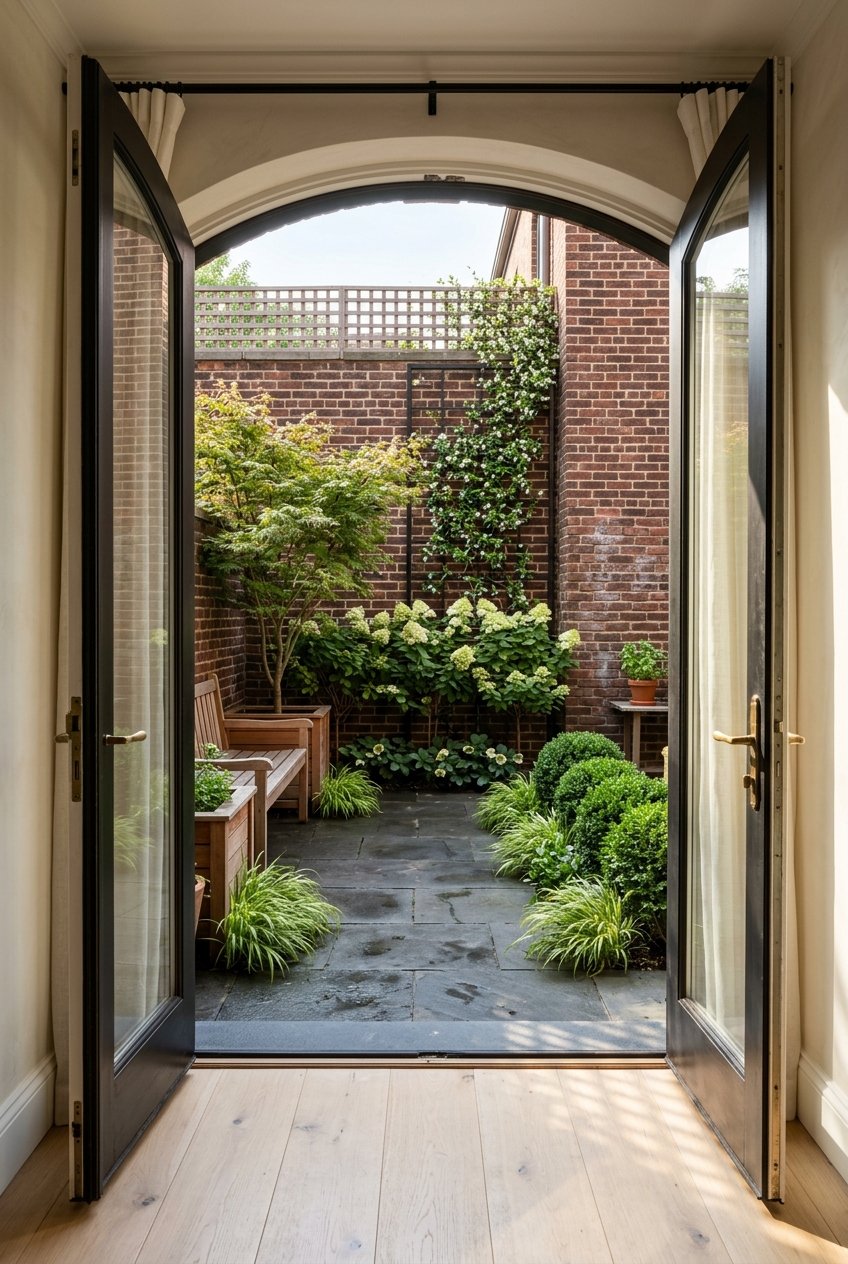
What matters more on the ground is how Clinton Hill feels day to day. It is best understood as a residential Brooklyn neighborhood with lively commercial pockets rather than constant activity on every block. You get a calmer street experience in the interior sections, with more movement and energy concentrated along key corridors like Myrtle Avenue and Fulton Street.
Streetscape and Architecture
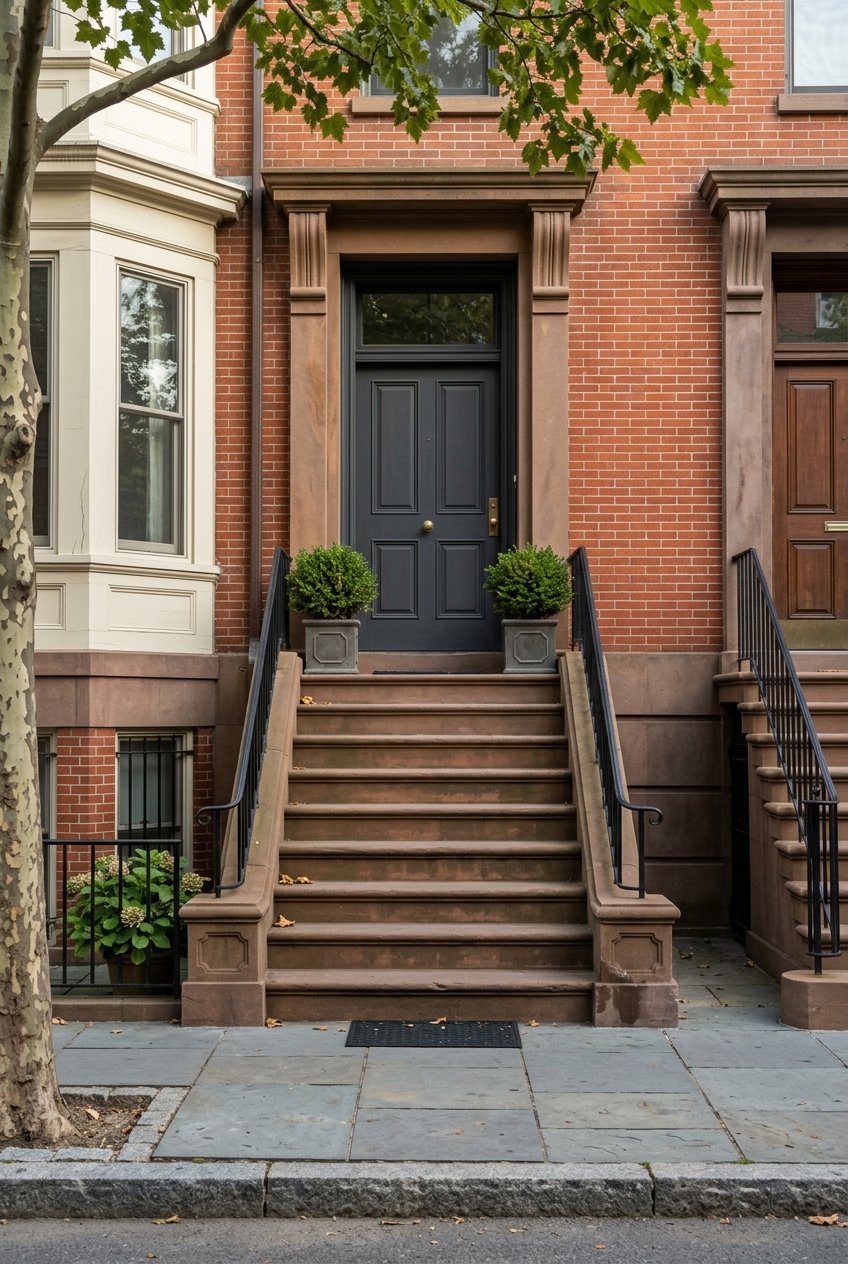
One of the first things you notice in Clinton Hill is the architecture. City Planning describes the area as predominantly a three- to five-story brownstone row-house neighborhood, with one- and two-family homes, multi-family apartment buildings, and mid-rise apartment buildings also part of the mix.
That mix gives the neighborhood depth. In the residential core, City Planning highlights mid-19th-century Romanesque revival mansions, while the Wallabout edge includes a concentration of pre-Civil War wood-frame houses. Near Pratt Institute, you also see taller residential buildings and institutional architecture, so the neighborhood never feels visually flat or repetitive.
Historic Character Still Shapes Daily Life
Clinton Hill’s preserved feel is not accidental. The Clinton Hill Historic District was designated on November 10, 1981, and the historic core includes streets such as Clinton, Waverly, Cambridge, Grand, Greene, Lafayette, and St. James Place.
Roughly half of the blocks in the rezoning core fall within the Fort Greene and Clinton Hill historic districts. For you as a resident, that often translates into a more intact prewar streetscape, mature visual character, and a strong sense of place. If you are drawn to Brooklyn neighborhoods that feel rooted in history, Clinton Hill delivers that in a very visible way.
A Residential Feel With Busy Corridors
A big part of living in Clinton Hill is understanding where the neighborhood gets active. The area reads as residential first, with most of the commercial and social energy centered on a handful of major corridors.
City Planning identifies Myrtle Avenue, Fulton Street, and Atlantic Avenue as the main commercial corridors. Myrtle Avenue and Fulton Street function as the primary retail streets, while Atlantic Avenue has lower-rise retail and automotive uses. That pattern helps explain why many blocks feel relatively calm even when the neighborhood itself feels connected and alive.
Myrtle Avenue Sets the Everyday Rhythm
For many residents, Myrtle Avenue is the daily-use spine of the neighborhood. The corridor is supported by the Myrtle Avenue Brooklyn Partnership, and it offers a broad mix of businesses and food options rather than a single dominant style.
The current dining guide reflects that range clearly. You can find coffee shops and cafés, bars and pubs, Caribbean, Chinese, Italian, Japanese and sushi, Mexican and Latin, pizza, soul and Southern, and Thai cuisine, among other categories. That variety matters because it supports the kind of neighborhood life people actually want: quick coffee, casual dinner, takeout, and places to meet friends without leaving the area.
Public Space Feels Local and Lived-In
Clinton Hill’s commercial life is not only about storefronts. The Myrtle Avenue Brooklyn Partnership also brings public sculpture, performances, studio art, and creative street furniture to the district, which helps the corridor feel like more than a basic retail strip.
Myrtle Avenue Plaza adds to that experience. Opened in 2018, this 25,000-square-foot pedestrian plaza between Hall Street and Emerson Place hosts free summer programming. That gives residents another outdoor place to gather and helps support a more social street life without changing the neighborhood’s overall residential identity.
Fort Greene Park Is a Major Nearby Perk
Even if you live in Clinton Hill for the architecture or townhouse blocks, access to green space is a meaningful part of the lifestyle. Fort Greene Park is the major nearby open-space asset, and it offers more than just a patch of grass.
According to NYC Parks, the park includes basketball courts, tennis courts, playgrounds, dog-friendly areas, public restrooms, and Wi-Fi hot spots. It is also historically significant, with roots in Revolutionary War defenses and a later redesign by Frederick Law Olmsted and Calvert Vaux. For residents, that means you have a substantial and established park nearby for both daily routines and weekend downtime.
Pratt Adds a Creative Energy
Pratt Institute is one of the neighborhood’s defining anchors. Its Brooklyn campus spans 25 acres across Clinton Hill and Fort Greene, and that presence contributes to the area’s creative identity in a real, visible way.
In practical terms, Pratt brings an arts and design atmosphere that shapes the neighborhood’s character. You feel it in the built environment, the student presence, and the overall tone of the area. If you like neighborhoods with architecture, visual texture, and a slightly academic energy, Clinton Hill tends to resonate.
Transit Is Convenient Without Overbuilding
Clinton Hill is well connected by subway, but it does not feel dominated by high-rise transit-oriented development. That balance is part of what makes the neighborhood appealing to people who want access without too much intensity.
Current MTA maps show service at Classon Avenue on the G train and Clinton-Washington Avenues on the C and G trains. The nearby Lafayette Avenue stop on the C train also expands your options depending on where you live within the neighborhood. The G line runs between Court Square in Queens and Church Avenue in Brooklyn, which supports cross-borough access without needing to head into Manhattan first.
Transit access in the area is also seeing investment. In 2024, the MTA announced a full accessibility project for the Classon Avenue station, including three elevators, a widened mezzanine, refurbished staircases, and four new turnstiles. That is a useful sign that the neighborhood is not just established, but still improving in practical ways.
Housing Feels Varied, Not One-Note
People often picture Clinton Hill as a pure brownstone neighborhood, but that only tells part of the story. The housing stock is broader than many first-time neighborhood shoppers expect.
Along with classic row houses, the area includes one- and two-family homes, multi-family apartment buildings, and mid-rise apartment buildings. That variety can open different paths depending on your goals, whether you want a townhouse feel, a prewar apartment, or a more straightforward rental experience. It also means Clinton Hill appeals to a wider range of buyers and renters than its polished streetscape might suggest at first glance.
Who Clinton Hill Often Appeals To
Clinton Hill tends to be a strong fit if you value historic streets, independent dining, nearby park access, and a neighborhood identity shaped by architecture and design. It may be especially appealing if you want Brooklyn character without the sense that every block is built around nightlife or nonstop retail.
At the same time, it may feel less aligned if your priority is high-rise living or a district with all-hours commercial density. Clinton Hill’s strongest lifestyle advantage is balance. It stays lively where it needs to, especially around Myrtle Avenue and nearby anchors, while much of the neighborhood keeps a calmer, residential pace.
What Living in Clinton Hill Really Feels Like
The simplest way to describe Clinton Hill is this: it feels preserved, connected, and livable. You get historic streets, strong neighborhood texture, and enough daily amenities to make life convenient, but the area still holds onto a block-by-block calm that can be hard to find in Brooklyn.
For buyers and renters who care about architecture, atmosphere, and long-term neighborhood appeal, Clinton Hill offers a compelling mix. If you want help understanding how a specific block, building type, or property fits into that lifestyle, Jon Aguilar can help you navigate your options with local insight and a clear strategy.
FAQs
What is the general vibe of living in Clinton Hill?
- Clinton Hill feels primarily residential, with calm interior blocks and more activity concentrated along Myrtle Avenue, Fulton Street, and other main corridors.
What kinds of homes are common in Clinton Hill?
- The neighborhood includes brownstone row houses, one- and two-family homes, multi-family apartment buildings, mid-rise apartment buildings, and some wood-frame houses along the Wallabout edge.
Is Clinton Hill known for historic architecture?
- Yes. The neighborhood includes a designated historic district and is known for preserved prewar streetscapes, brownstones, and mid-19th-century Romanesque revival mansions.
What is there to do near Clinton Hill on a typical day?
- Many residents spend time on Myrtle Avenue for dining and daily errands, enjoy public programming at Myrtle Avenue Plaza, and use nearby Fort Greene Park for recreation and outdoor time.
How do you get around from Clinton Hill?
- Clinton Hill is served by the G train at Classon Avenue and the C and G trains at Clinton-Washington Avenues, with additional access to the C train at Lafayette Avenue nearby.
Does Pratt Institute affect life in Clinton Hill?
- Yes. Pratt’s 25-acre campus adds a visible arts and design presence that helps shape the neighborhood’s creative and academic atmosphere.